The Ultimate Checklist for Portable Toilets to Rent in East Bridgewater
When you rent portable toilets, you are not just solving a convenience problem. You are protecting your event, your job site, and your reputation. In East Bridgewater, whether you are planning a weekend wedding at a rural property, supporting a contractor crew in a tight cul-de-sac, or preparing for an emergency response, the rental decision comes down to practical details: how many units you need, where they go, how they get serviced, and what “clean” really means over the full rental window.
I have handled enough last-minute calls to know this: the most expensive mistake is not renting too late, it is renting without a plan. People undercount the number of toilets, forget that weekends and peak meal times change demand, and overlook the difference between a drop-off and a serviced plan. The checklist below is built for real-world use, including the edge cases that tend to get skipped when someone is trying to move quickly.
Start with the actual use case, not the label
“Portable toilets to rent” sounds straightforward until you are the person coordinating delivery, placement, and pickup while also dealing with weather, access issues, and changing headcounts. The type of rental you should consider depends on what the space is like and how people will behave in it.
A few scenarios that play out often in East Bridgewater:
- A construction site usually needs steady capacity for the same crew, with service scheduled on a routine cycle.
- A community event has waves of usage, so the peak hour matters, not the average.
- A backyard event on a private driveway may have limited turning radius for delivery trucks.
- An emergency portable toilet rental can be all about response time, but you still need sanitation coverage and an intake process for staffing and maintenance.
If you are talking to porta potty rental companies, the most helpful thing you can do is describe your scenario clearly. “We need three units for a Saturday” is less useful than “We expect 120 attendees arriving between 4 and 6 pm, food served at 6:30, and we want toilets delivered the day before with regular servicing.”
That framing makes it easier for the rental provider to recommend a fit that avoids long lines, overflow, and unhappy customers.
The checklist that prevents the common failures
Here is the practical checklist I recommend before you finalize any portable toilet rental in East Bridgewater. Treat it like a decision gate. If you cannot answer each item, you are not ready to book.
- Confirm the number of people using the site and the rental hours (including peak times), not just the event length.
- Measure placement access: driveway width, gate size, and any soft ground where trucks might sink.
- Decide on a serviced plan versus a simple drop-off, based on whether the rental exceeds a day or two.
- Verify restroom type for the audience, including whether standard units are appropriate or you need an upgraded option.
- Plan the logistics for delivery and pickup, including who will be onsite to receive units and how they will be spaced.
If you do these five things, you will avoid most of the complaints that show up after delivery.
A quick note on “how many”
People often ask for a simple formula. Helpful hints In practice, it depends on drinking habits, food, and behavior, and those vary a lot. For events with alcohol, longer on-site stays, or lots of kids and family groups, you typically need more capacity than you would for a short, daytime-only gathering. If you are unsure, it is better to slightly over-allocate than to run lean. Long restroom lines are one of those problems that spreads fast through word of mouth, even when the toilets themselves are clean.
Choose the right product, then match it to expectations
Not all portable toilets are the same. Even when they look similar from a distance, the experience for the user can be very different based on sanitation supplies, ventilation, and overall upkeep.
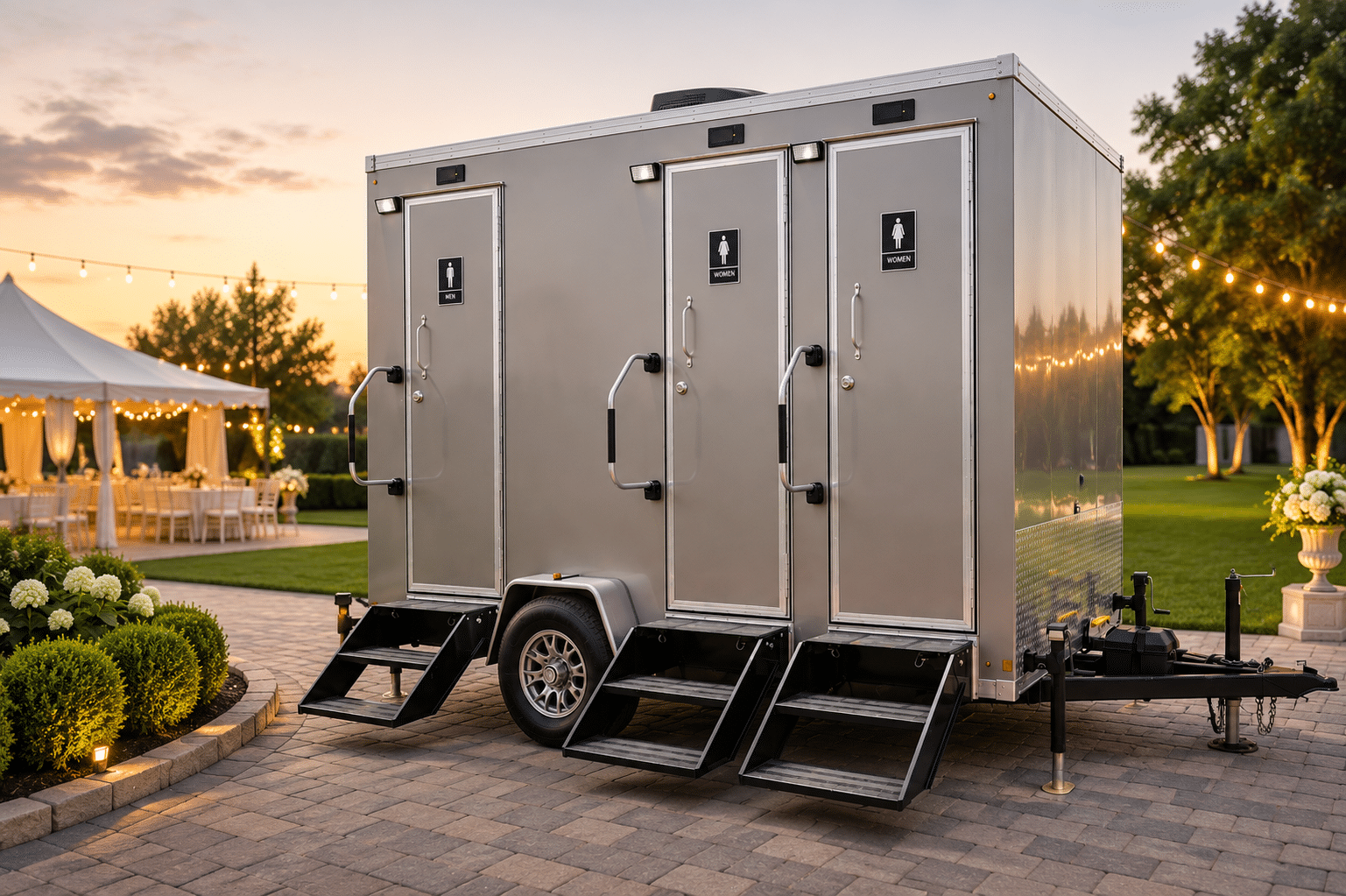
When people search for porta potty rental East Bridgewater, they often mean standard units, but the better providers can also offer options that feel more comfortable for guests and reduce complaints. The “right” product is not about luxury, it is about meeting your audience and your site conditions.
Here is how I think about the decision:
If the audience is mostly construction staff and they are used to job sites, a standard portable toilet can work well as long as servicing is consistent. If you are hosting a wedding, a corporate picnic, or a community fundraiser where people will post photos and talk about the venue, you should assume comfort matters. For longer rentals or higher-traffic days, the upgraded experience usually pays for itself through fewer service issues and fewer calls from your own team.
If you are dealing with emergency portable toilet rental needs, comfort may be secondary to speed and sanitation coverage, but speed still has to connect to maintenance. A fast delivery without a workable service plan can create a situation that escalates quickly.
If you are evaluating Premier Portable Potties or any portable toilet rental companies, ask questions that lead to specifics. A reputable rental outfit will have answers that are tied to schedules, capacities, and site realities, not vague promises.
Don’t guess on placement. Placement affects cleanliness and access.
Portable toilets work best when they are placed correctly. Placement is one of those details that seems minor until you have to move a unit after it is already set and people are already walking to the wrong spot.
A clean, functional layout usually considers:
- A path people can walk without getting muddy or crossing active work zones
- Adequate spacing between units so servicing is manageable and users do not crowd one another
- A surface that can support the base without excessive settling
- Visibility and wayfinding, especially for events where guests do not want to feel “lost”
On some properties in East Bridgewater, the challenge is less about space and more about access. Soft ground, gravel that shifts, and narrow driveways can all complicate delivery. If the delivery truck cannot stop where the provider needs it, your units might end up farther away than planned, which increases foot traffic and makes maintenance harder.
If you have a gate, check the gate opening width and whether there are overhead limitations like low tree branches. If you are renting near a slope or drainage area, discuss it. A good rental company will plan the placement so the unit stays stable and accessible.
Know the difference between drop-off and serviced rentals
This is where misunderstandings are expensive. A drop-off rental can be fine for very short windows, but when you start pushing into multi-day events or higher usage, you need servicing. Servicing is not just about restocking; it is about managing waste, keeping units clean, and reducing odor.
When you ask about portable toilets on rent, make sure you understand:
- What day(s) service happens
- Whether it includes waste pump-out and interior cleaning
- How restocking is handled (supplies can vary)
- What happens if usage is heavier than expected
I have seen plans fall apart when a client assumed the units would “basically manage themselves.” Portable toilets do not work that way. They are mechanical systems with consumables and sanitation requirements. The longer the rental and the higher the usage, the more you benefit from planned servicing.
For emergency portable toilet rental, the servicing schedule can be coordinated around response staging and staffing. Even then, you want clarity on what service means and how often it occurs.
A simple sizing reality check for events and job sites
Sizing is not one number. It is a set of judgments based on how long people stay and when they show up. A few real-world examples help:
For a 4-hour event with staggered arrivals and moderate food, you can sometimes get away with fewer units if the event ends before peak demand becomes excessive. But for a wedding where most guests arrive around the same time, traffic builds quickly. People take time getting dressed, finding parking, greeting others, and then using restrooms before dinner. You can plan for the average guest count all day, but the peak hour is what creates lines.
For job sites, demand can be steadier, but crew changes and shift starts can create surges. If you have a morning ramp-up and a midday reset, those are peak usage moments. If you are renting for a multi-week build, you want a stable servicing cycle and an option to add units if the crew scales up.
If your provider is flexible, it is often easier to start with a reasonable baseline and adjust, rather than overbuying from day one. Still, you should discuss how changes are handled, because adding a unit late can become a logistics problem.
Ask the right questions when you contact a provider
When people reach out to portable toilet rental companies, they usually focus on price first. Price matters, but what you really need is confidence that the rental will work in your specific setting.
Here are the questions I suggest you ask, phrased in a way that draws useful answers:
- How do you determine the number of units needed for my event size and hours?
- What is included in servicing, and what days would you schedule it?
- Can you accommodate my delivery access constraints, like driveway width or gate clearance?
- Are there options that better fit guests who expect a more comfortable restroom experience?
- If demand is higher than planned, can we adjust the rental without losing control of the schedule?
A provider like Premier Portable Potties, or any reputable local operator, should be able to speak to scheduling and placement with confidence. If the answers are generic, you do not have enough information to make a safe decision.
Delivery day matters more than you think
The day the units arrive is when small mistakes create big problems. If you have ever watched a team scramble because the delivery is later than expected, you already know why.
Plan for who will receive the units, where they should be placed, and how the delivery driver will access the site. If you have a driveway with traffic patterns or construction work occurring simultaneously, communicate that early.
Also consider weather. Heavy rain can turn a convenient location into a muddy area where the unit base cannot sit comfortably. Wind can affect tarp-like barriers and temporary event setups. If a storm is in the forecast, it is worth discussing whether placement should be adjusted.
One of the best ways to protect your timeline is to confirm these details before delivery day arrives:
- Exact delivery window (not just the day)
- Contact name and phone number on site
- Placement location and any “do not place here” areas
- How many units are being delivered and whether spacing is required
When these are clear, the rental feels almost effortless. When they are not, you end up doing the provider’s job while trying to run your own event or project.
Onsite management: keep it clean, keep it safe
Even when you rent the right number of units and get scheduled service, you still influence the experience through onsite management. A few small choices reduce misuse and improve cleanliness.
If you are hosting an event, consider how guests will approach and use the units. People tend to go where they can see clearly. If the units are placed behind equipment or far from foot traffic, guests might wander. If you can, set expectations with signage or staff support. You do not need elaborate branding, just enough guidance so people go directly to the restrooms.
If you are supporting a job site, you want units to stay accessible and not blocked by materials or equipment. In tight work zones, the “temporary” barrier placement can become permanent, and suddenly access fails.
For emergency portable toilet rental situations, the onsite management focus is on safety and coordination. Clear placement and maintenance oversight reduce the risk of units being ignored or treated as a forgotten supply.
A second checklist for planning logistics in East Bridgewater
This is the companion checklist for site logistics. It is shorter, but it addresses the practical concerns that affect delivery and service success.
- Confirm truck access, including turning radius and whether the driver can stop safely near placement.
- Check the ground surface for stability, especially after rain.
- Identify who will be onsite at delivery and pickup for coordination.
- Decide on unit spacing so servicing crews can maintain access.
- Plan for backup placement if the original area becomes unusable.
Keeping these items clear helps your rental company do the job efficiently, which also improves the user experience.
Common edge cases that trip up even organized planners
There are a few scenarios that tend to produce surprises. You do not need to fear them, you just need to address them early.
Tight access with long walk distances
If you can only place units far from where people naturally congregate, you may need more units to compensate for the extra walking and the time people spend traveling back and forth. Sometimes adding units is more effective than trying to move the placement after delivery.
Multi-day rentals with inconsistent usage
A four-hour spike on day one can be very different from usage on day three. If you have a multi-day event, ask how servicing adapts when the traffic pattern changes. Some providers operate on a fixed schedule, others can adjust with notice. Either way, you should know what to expect.
Rain, mud, and soft ground
If your site is outdoors and the weather is uncertain, plan for stable placement. A unit base that settles unevenly can create usability issues and complicate servicing. It is not always about getting perfect soil conditions, it is about making sure the unit can remain stable over the full rental period.
Events with children and mixed audiences
Guests who need extra guidance, or who are less familiar with portable restrooms, require a bit portable toilets on rent of thoughtful setup. That might mean extra placement visibility or simply ensuring that the units are clean, stocked, and easy to locate.
Emergency response constraints
In emergency portable toilet rental, response speed and sanitation coverage matter most. Still, the best outcomes happen when someone on your side can confirm access routes and coordinate placement so units do not end up stuck behind barriers or blocked by ongoing activity.
How pricing usually works, and what to watch for
Price is part of the decision, but it should not be the only filter. Portable toilet rental can be priced based on the number of units, rental duration, and servicing frequency. If you are comparing quotes, make sure each quote includes the same level of service and the same time period.
A lower price that assumes a drop-off only plan can turn into a higher cost after you realize you need servicing to keep things functional. Similarly, if a quote does not clearly define delivery and pickup windows, you may end up paying with delays.
Also watch for the “what is included” details. Supplies, service frequency, and cleaning standards can shift the real value even when the unit count is the same. Ask for the specifics. A good provider will not mind, because clarity protects everyone.
Wrapping your decision around reliability
Portable toilets are one of those services where reliability is more noticeable when it is missing. When everything works, people barely think about it. When it does not, it dominates the experience for hours.
If your goal is porta potty rental East Bridgewater that holds up under real use, focus on the fundamentals: correct sizing, stable placement, and a servicing plan matched to your rental length and traffic pattern. That is how you avoid the late surprises and keep your event or job site running smoothly.
If you are evaluating Premier Portable Potties or other portable toilet rental companies, use the checklist above to guide your questions. You will sound prepared, but more importantly, you will make decisions that reflect the reality of your site, your schedule, and your people.
Premier Portable Potties
35 Industrial Dr, East Bridgewater, MA 02333, United States
(774) 444-6997
[email protected]
website: https://www.premier.boston/